Energy Updates from FCAC - february 2026
Happy February! We made it to the other side of the winter solstice and the days are only getting longer. We hope you’ll join us in welcoming back the sun! The Alaska State legislature is also back in session with lots of buzz on close-to-home energy issues. And we have some hope on climate action as GVEA has recently made an announcement about a wind project.

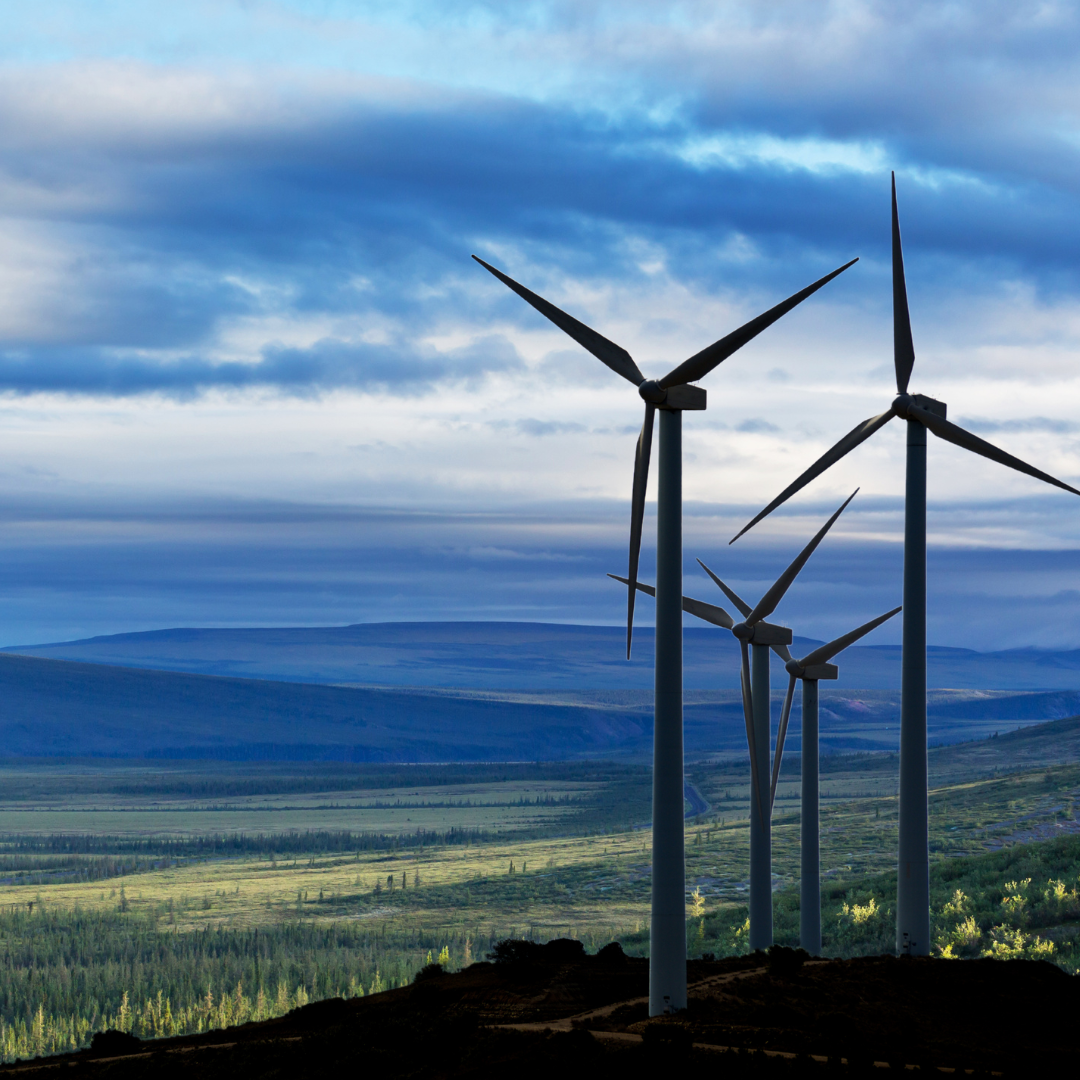
We have some amazing news! After considering wind options (for perhaps too long), the GVEA board has unanimously voted to negotiate a term agreement with Ameresco Delta Wind Farm. This is a fantastic move forward that will help stabilize our electricity prices and save us all money long-term.
Signing an agreement to bring on Alaska’s largest wind project in history has been multiple years in the making and it was made possible by the tremendous efforts of FCAC members and other community members coming together to ensure a better future for Fairbanks.
Please take a moment to email your GVEA Board representative and thank them for this decision. The more of us that email them, the more confident they’ll feel in this decision and in supporting future renewable projects that help keep our energy safe, reliable, and affordable.

AK LNG Funding
As of now, there has been no new legislation introduced on AK LNG, but it is still dominating legislative conversations. Dunleavy proposed a 90% reduction in property taxes for land that the pipeline will cross. That isn’t popular and again, hasn’t been formally introduced yet.
The Senate Resources Committee has been holding hearings with different folks related to the pipeline project. They have hired a consultant, Gaffney-Cline, to provide guidance. However, that company has a major conflict of interest and really shouldn’t be trusted to provide non-biased advice to the legislature.
The committee is skeptical and has been asking difficult questions. They want more clarity on where the money is coming from, how much gas will cost, and other basic details needed to make an informed legislative decision. They haven’t been given much more detailed information, but the Final Investment Decision process is more delayed than Glenfarne has been suggesting in their public announcements.
In other related news, some Alaskan youth are in litigation with the State of Alaska regarding the AK LNG pipeline and their right to a clean and liveable environment. They say the State’s support for the project violates their constitutional rights. Here is a bit of info on that case.
They are going to be presenting their case to the AK Supreme Court in early March. Stay tuned for ways to get involved - we'll be rallying folks to attend that hearing in support of the youth plaintiffs.
fossil fuel subsidies bill (SB 92)
SB 92 would change Alaska’s tax code by closing the S-corp loophole, which would mean oil companies that make over $5 million would have to pay corporate income tax (just like other corporations in the state do). This would provide a massive influx of much needed funding to the state budget.
This legislation has passed out of the Senate Finance Committee and is now in the Senate Rules Committee. It must pass this committee and then it is ready for a vote on the Senate floor. There has been no companion bill introduced in the House so it needs to go through all the committees there. The House Resources Committee is the first stop.
Some legislators are hesitant to move this legislation forward because they see a potential roadblock once it gets to Dunleavy’s desk, where they expect it to be vetoed. However, public pressure is still critical on this issue. This legislation has become more and more mainstream over the last few years, as legislators have dealt with an increasingly dire budget crisis, and constituents have spoken up about this as a viable way to add additional funds.
The AIDEA Accountability Act (HB 124)
HB 124 is a bill that would enhance legislative and public oversight for AIDEA (the Alaska Industrial Development & Export Authority).
AIDEA is a public corporation, but acts with little to no public oversight. They have a poor track record of secrecy and wasting money and are one of the main proponents of the Ambler Road project.
HB 124 recently had a hearing in the House State Affairs committee, and received a lot of public testimony. There is overwhelming support for the bill. So far, changes to the bill include increasing the amount of money going to AIDEA, as well as removing a seat for an environmental advocacy group on the board. However, there is still time for more changes as the bill moves through the legislature. Stay tuned for more opportunities to engage here.

The Integrated Resource Plan, or IRP, is basically a long-term roadmap for how electricity will be produced and delivered across Alaska’s railbelt. It looks ahead and asks “How do we keep the lights on reliably and affordably as demand changes, infrastructure ages, and fuel costs fluctuate?”
For Alaskans living on the railbelt (the electric co-ops on the road system between Fairbanks and Homer), the IRP matters because it directly affects electricity prices, reliability, and future energy sources. The plan evaluates different options like natural gas, renewable energy, energy storage, and transmission upgrades and then compares their costs and risks over time. Instead of each utility planning in isolation, the IRP encourages coordination across the railbelt so utilities can work together and make smarter shared investments.
For co-op members, this means fewer surprises, better preparation for gas supply uncertainty, and a clearer path toward cleaner and more resilient energy systems. The IRP doesn’t lock Alaska into one specific project but it does help to shape which projects move forward and which ones don’t. The IRP focuses on stability and is meant to help keep energy affordable, reduce long-term risk, and make sure that decisions made today don’t create bigger problems down the road.
This planning is currently in process through the Railbelt Reliability Council (RRC), an organization established through the legislature to serve as independent oversight for utilities. You can learn more and get involved with an RRC working group at the link below.

AK LNG: The Alaska LNG project was first proposed in the mid-70s and has been resurrected multiple times since, but has yet to actually materialize. It would consist of an 800-mile pipeline from the Alaska North Slope to Southcentral. Some of that LNG may be used domestically for residential heating and electricity, but the project is not considered economical unless it is exporting a majority of the LNG to foreign end users. The current plan is being managed by Glenfarne (75%) and AGDC (25%), and has a 2-phased approach.
LNG: Liquefied natural gas (LNG) is natural gas that has been cooled to a liquid state (liquefied), to about -260° Fahrenheit, for shipping and storage. The volume of natural gas in a liquid state is about 600 times smaller than its volume in a gaseous state (in natural gas pipelines). The liquefaction process, developed in the 19th century, makes it possible to transport natural gas to places natural gas pipelines do not reach and to use natural gas as a transportation fuel.
AGDC: The Alaska Gasline Development Corporation is an independent, public corporation owned by the State of Alaska, created by the Legislature in 2013. They were the lead party developing the "AK LNG project" until March 2025, when they signed an agreement with Glenfarne to assume 75% of the equity of the project.

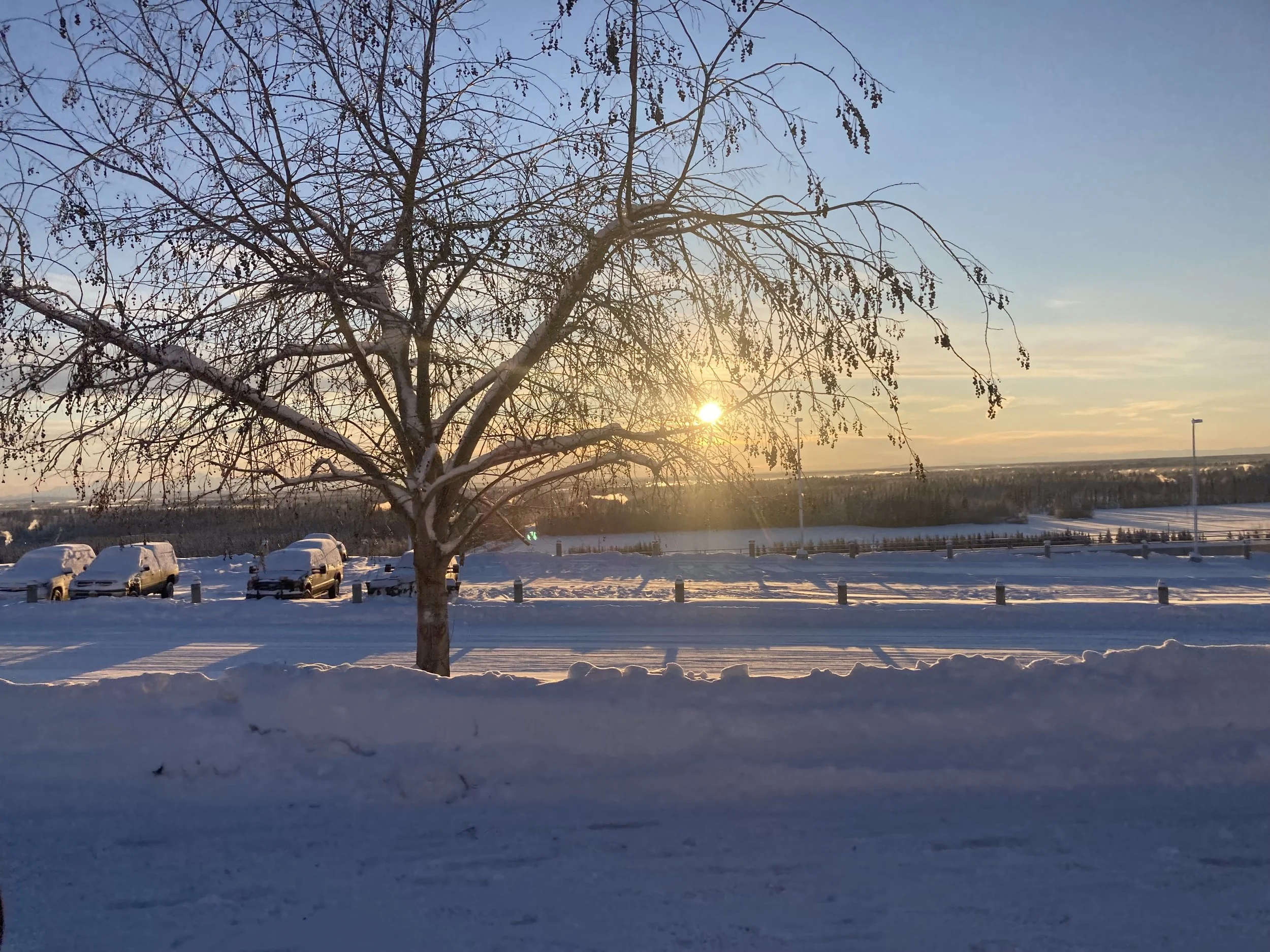
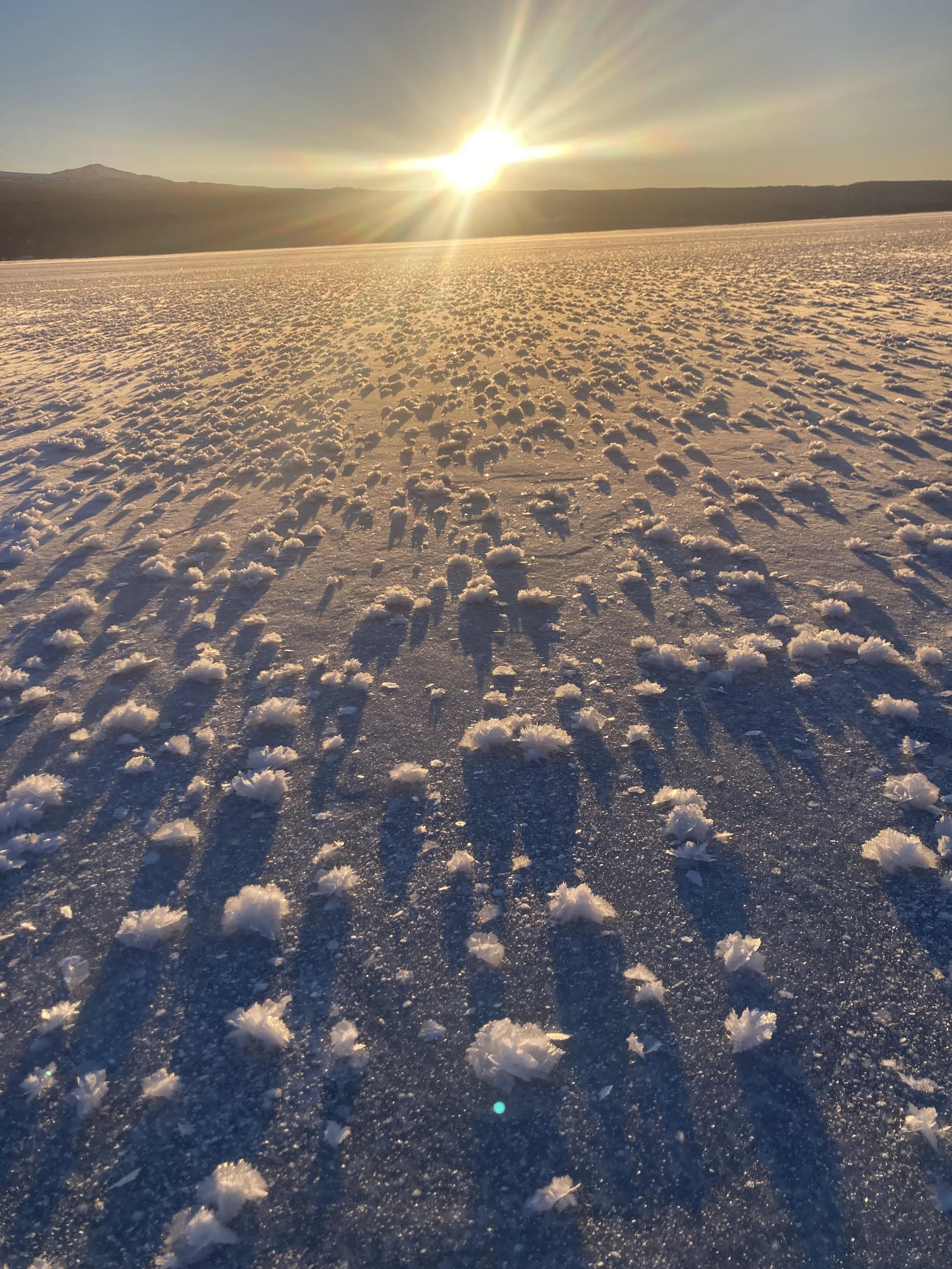
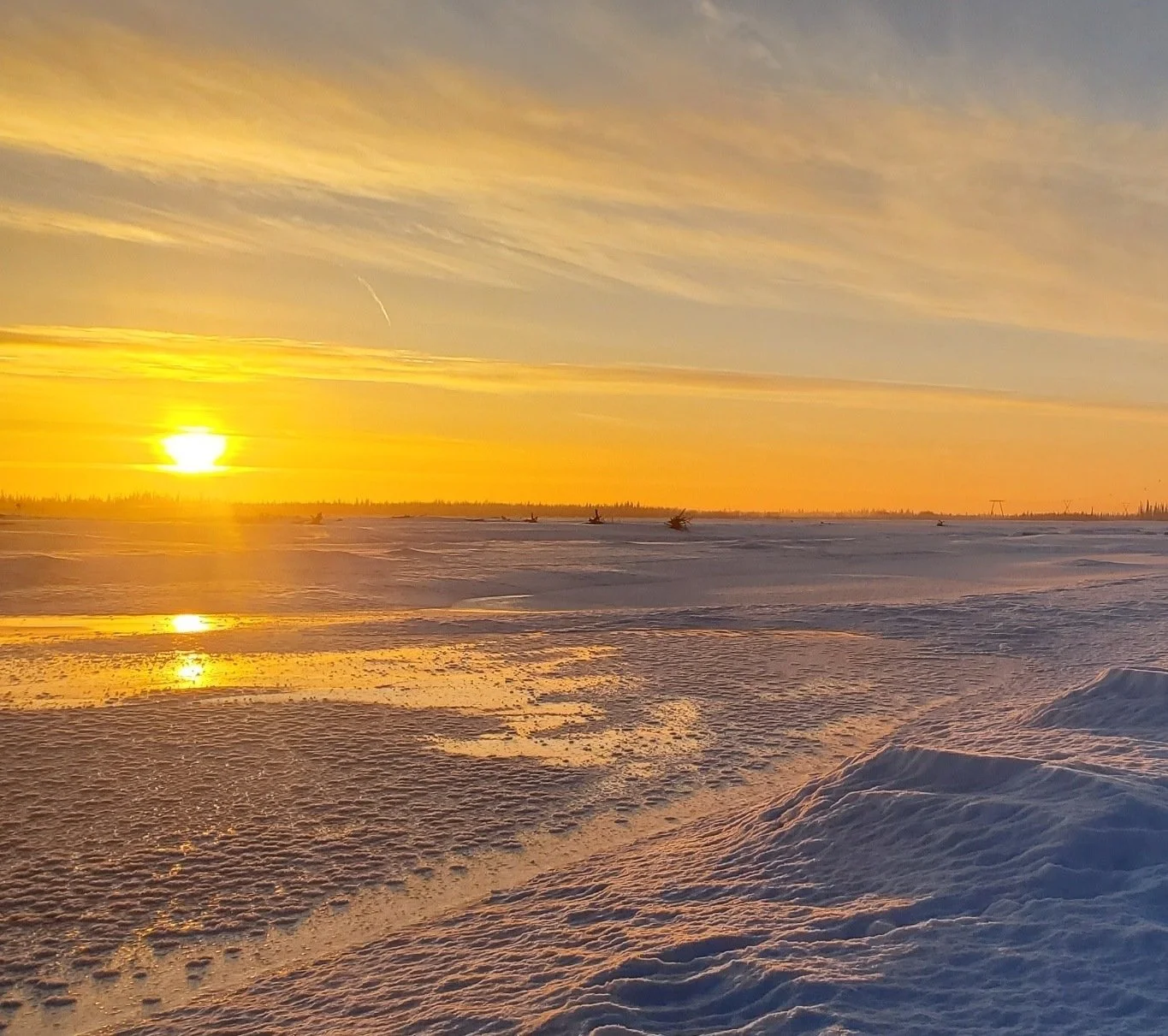
Just a couple pics of the returning sun to remind us that it IS returning!

Join the energy newsletter team!
This iteration of the FCAC energy newsletter has been going strong for almost a year and has over 700 regular readers, so you might be surprised to learn that this newsletter is almost entirely written and organized by volunteers!
If your New Year’s resolution was to get more involved in your community and issues you care about... If the extra sunshine is giving you a little motivation to dig into energy information... If you get value and inspiration from this newsletter... we have room for you! If you'd like to volunteer on the FCAC energy newsletter team, please send us an email at: aurora@fbxclimateaction.org.
Become a Member of FCAC!
By signing up for membership, you become part of the climate justice movement in creating a sustainable and equitable future for Alaska. As a member, you can join others and contribute to our coalition projects and campaigns while getting exclusive resources and engaging in opportunities for climate action, community gatherings, organizing training, and leadership development.
https://www.fbxclimateaction.org/membership
Subscribe to keep receiving our energy newsletter!
To make sure you get all our energy updates, subscribe here: https://actionnetwork.org/forms/energy-updates/