
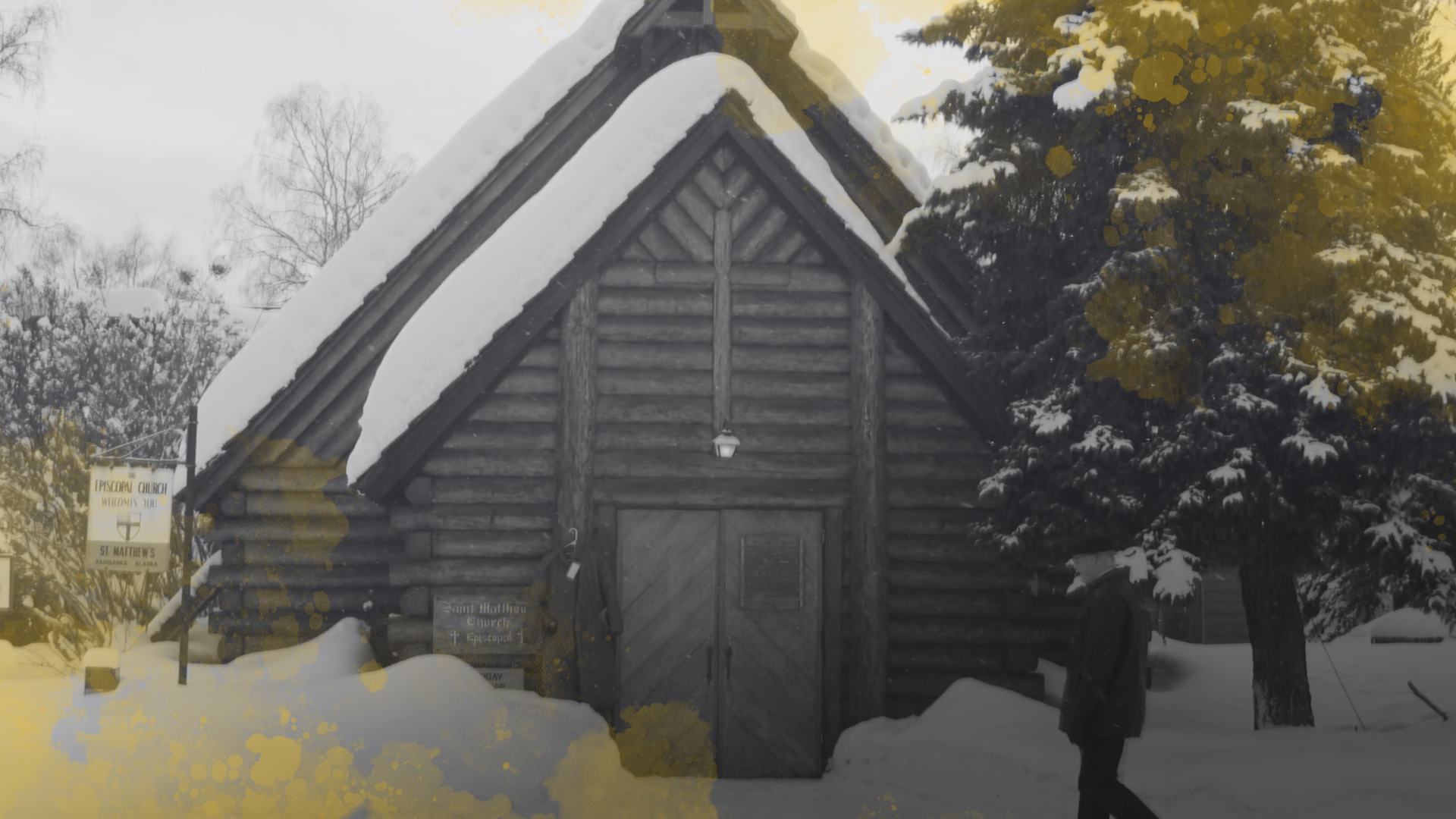
Faith communities play an important role and can be powerful drivers of positive community change. We’re working to encourage faith communities in Fairbanks to be thoughtful stewards of the earth, to care for one another, especially the most vulnerable among us, and to personally and collectively make the changes needed for a more sustainable and resilient community.
Organize with faith communities toward Earth Stewardship
about
Stewardship and reverence for creation are central tenets of all faiths. Framing climate justice as a moral and spiritual issue rather than only a scientific, economic, or political one opens the door for faith communities to engage.
We are working with faith leaders to encourage them to commit to the statements endorsed by their national and international organizations regarding the moral imperative for immediate and decisive action.
-
Roughly one-quarter of the Fairbanks-North Star Borough’s population identifies as a religious adherent of some kind, with the most numerous adherents belonging to non-denominational Christian churches and to the Jesus Christ Church of Latter-Day Saints (9,216 and 4,214, respectively) (ARDA, 2026). Nationwide, 60% of Christians (denominations notwithstanding) acknowledge climate change as a serious issue, but only about 25% of Christian leaders have mentioned their congregations about climate change at least once, if at all – in stark contrast to non-western faith counterparts (U.S. Religion Census, 2020; Pew Research, 2025).
We know that engaging with faith communities is a worthwhile endeavor, because of their profound influence on people and culture, locally, nationally, and even worldwide (London School of Economics, 2026). We work to connect with our various local faith communities, and build relationships with non-Christian faith congregations, to engage these communities in uplifting discourse about climate change as an issue to which we ALL have the moral and spiritual imperative to address - regardless of affiliation and denomination.
We strive to connect with faith communities and encourage them to take action within their groups to mitigate the effects of climate change. Maintaining relationships with 20 distinct faith communities, our organization serves as a conduit for faith communities to share knowledge and experience about stewardship of the earth and care for vulnerable people.
Organizing with faith communities toward Earth Stewardship means:
-
Our interfaith work provides opportunities for scientists and religious leaders to recognize the need for concerted action. In the past, we’ve brought faith and science leaders like Katherine Hayhoe to Fairbanks and hosted panel discussions in collaboration with scientists and people of faith at the University of Alaska Fairbanks. Showing that faith and science are not at odds can build bridges in our communities.
-
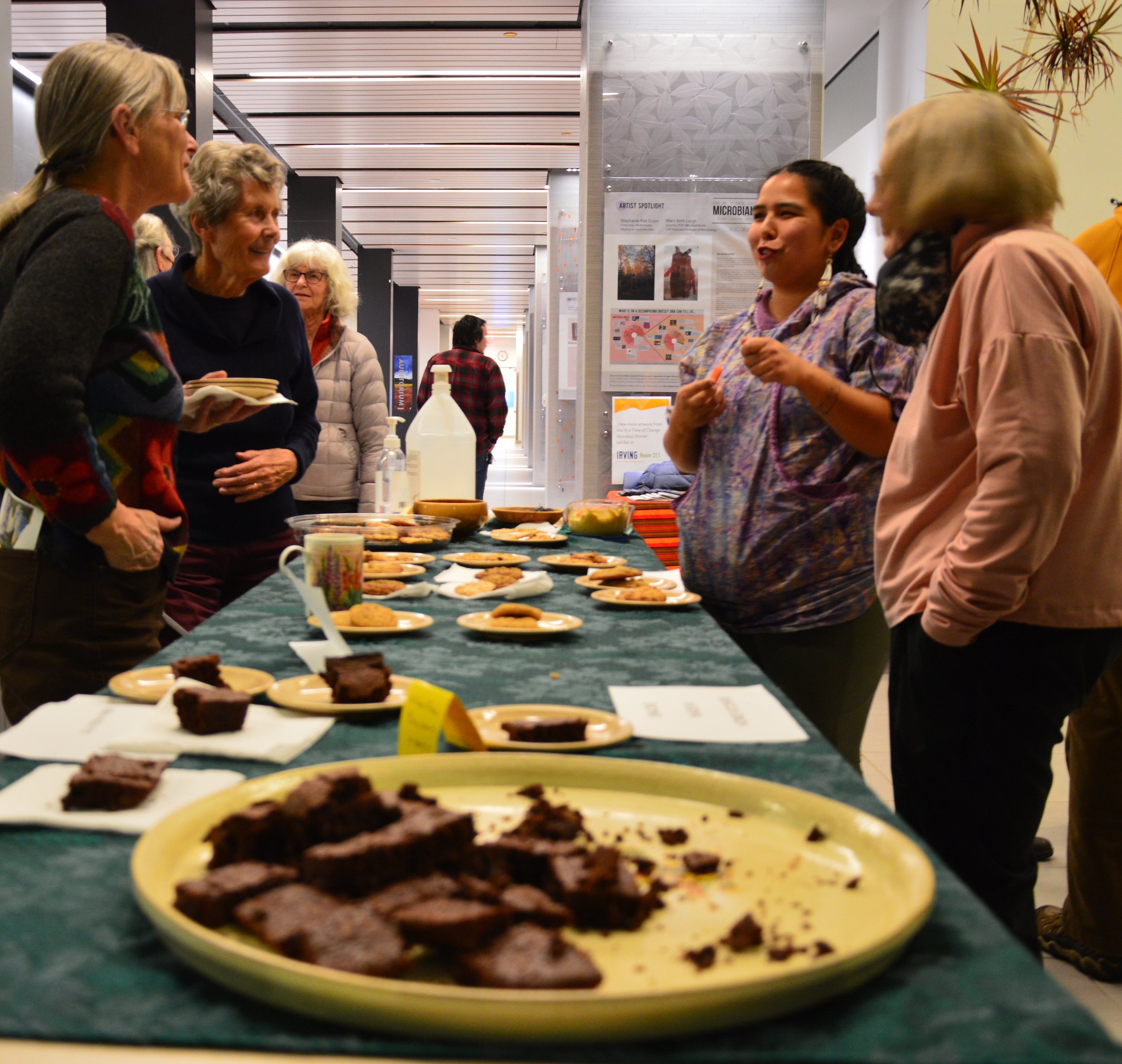
FCAC hosts regular Soup and Discussion, which bring together diverse faith leaders to discuss climate related issues and earth stewardship ideas. We also host prayer circles celebrating the Earth and promoting good stewardship of our planet.
-
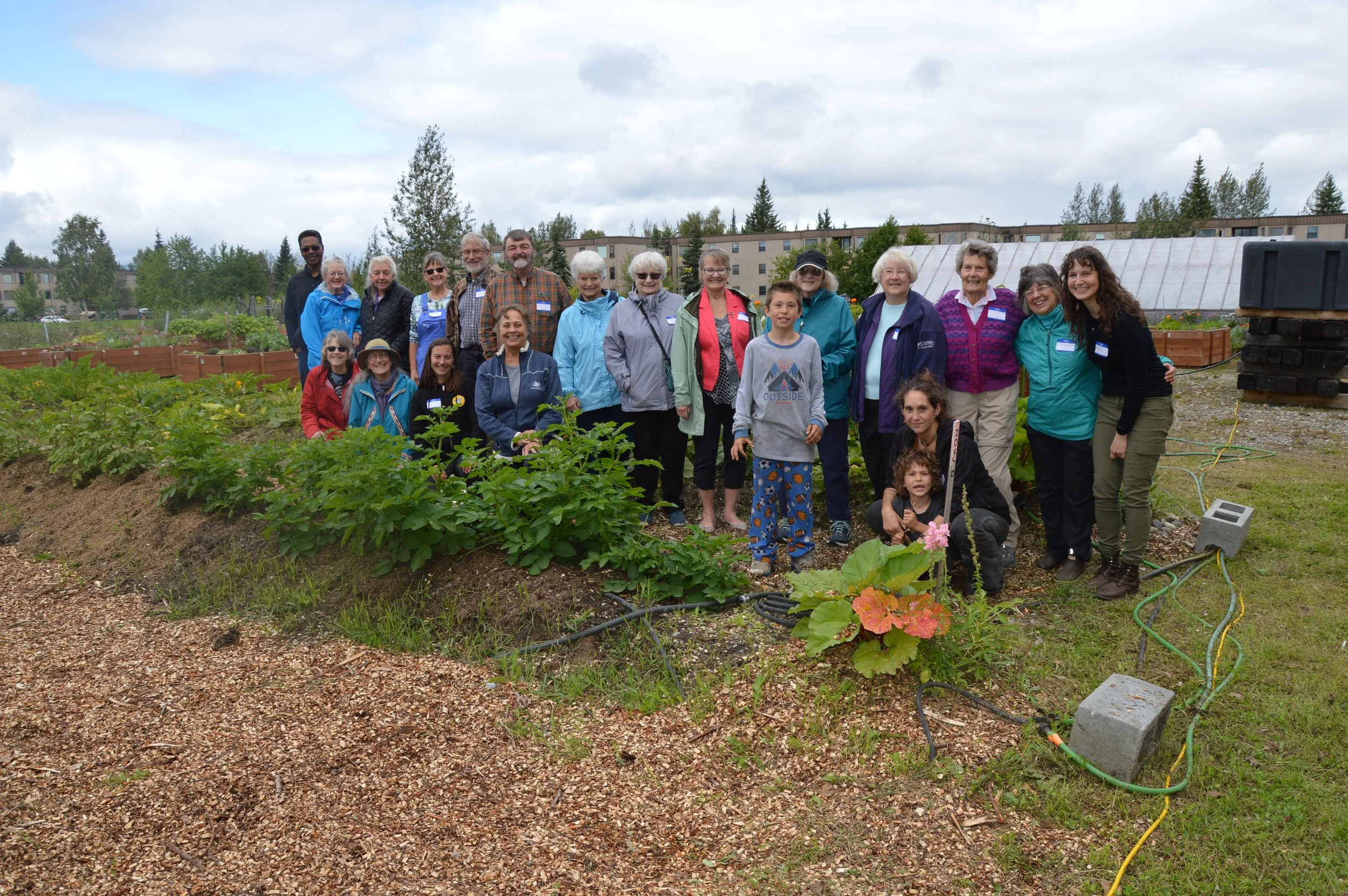
FCAC awarded over $55,000 in mini grants to 12 local faith congregations to make energy upgrades in their facilities. This was an important way to build relationships with faith communities and support tangible solutions for earth stewardship and energy use reduction. We’ve seen congregations decrease their energy needs through weatherization, improve food resilience through community gardens and install solar panels. We hope to fund this program again in the future.
-
Climate justice work is deeply emotional work, and we prioritize creating spaces for healing together in community. This includes prayer circles for the earth, communal climate grief spaces, somatic exercises, art and music, and co-created spaces for ritual around care for the earth.
Fund the Fight:
Any amount helps. By donating, you enable us to:
Host events to connect and build power across faiths
Host gatherings to provide spiritual nourishment for overwhelmed climate activists
Support faith communities in their climate and energy initiatives
Provide tools and trainings for people to organize their own faith communities toward earth stewardship